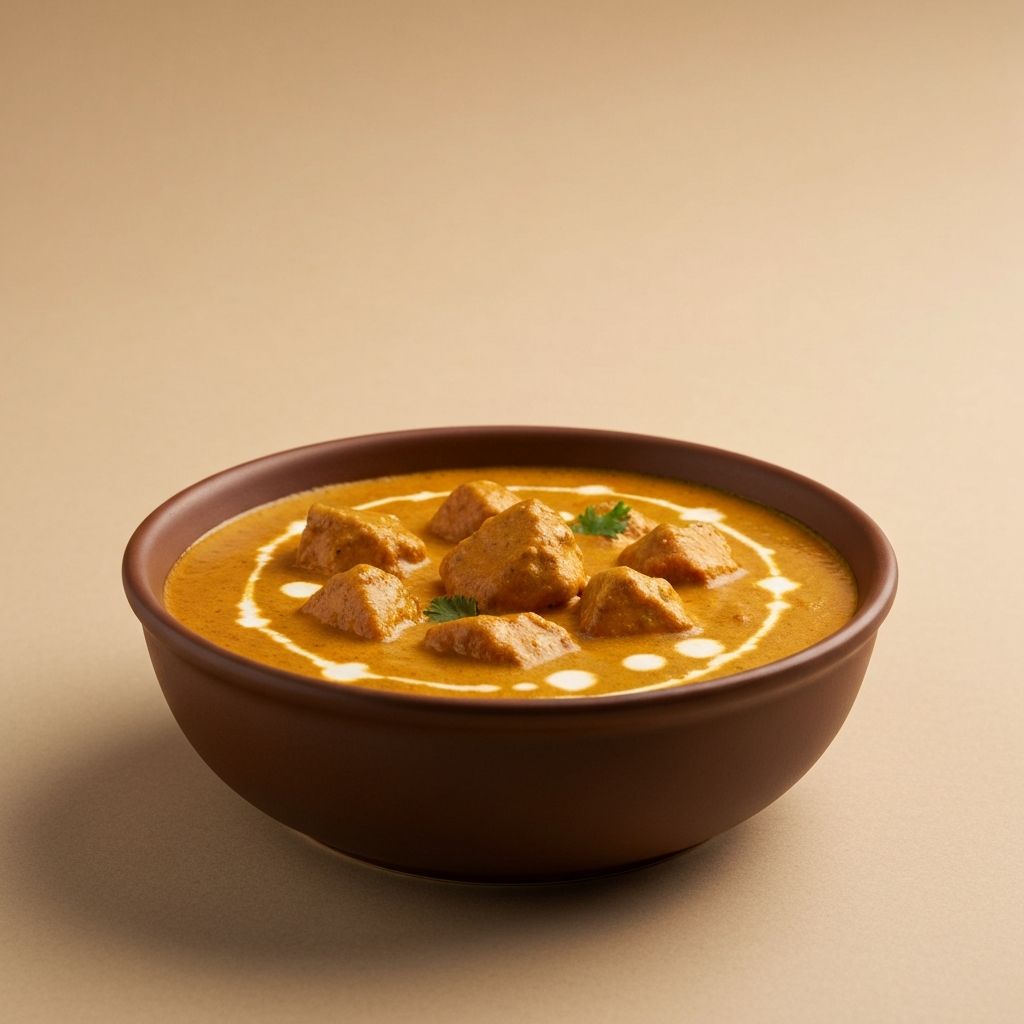
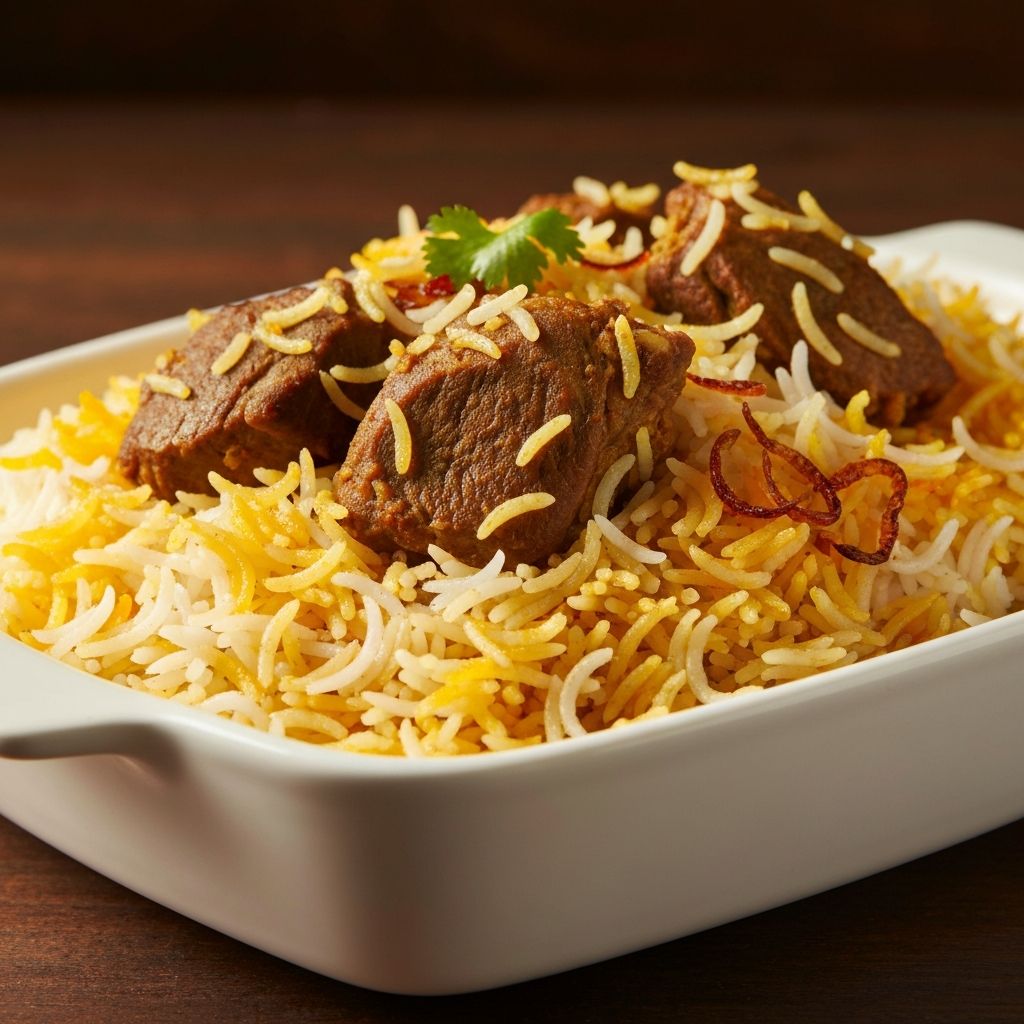
Chicken Tikka Masala
A Culinary Journey to India
There are dishes that transcend borders, and Tikka Masala is one of them. Born from the meeting of Indian tradition and British reinvention, this creamy and spiced curry has become a worldwide ambassador of subcontinental flavors. It's not just food: it's a sensory experience that begins with the aroma of garam masala and ends with that sigh of satisfaction that only great dishes provoke.
recipe.ingredients
- 600g chicken breastCut into 3cm cubes, skinless and boneless
- 200g natural yogurtGreek works wonderfully
- 2 tablespoons garam masalaGrind your own spices if possible
- 1 tablespoon turmeric powder
- 1 tablespoon ground cumin
- 1 tablespoon sweet paprika
- 1 teaspoon chili powderAdjust according to your spice tolerance
- 4 cloves garlic, finely chopped
- 30g fresh ginger, grated
- 400g crushed tomatoes
- 200ml cooking cream
- 2 large onions, chopped
- Sunflower oil or ghee
- Fresh cilantro for garnish
- Salt to taste
recipe.nutrition
Per serving
385
recipe.calories
42g
recipe.protein
18g
recipe.carbs
16g
recipe.fat
recipe.history
Tikka Masala has a fascinating and disputed origin. While some claim it was invented in Glasgow, Scotland, in the 1970s, others insist on its roots in Punjab. The most popular story tells of a chef who, upon a customer's complaint that the chicken was too dry, improvised a sauce with tomatoes, cream and spices. Whatever its true origin, this dish has become Britain's unofficial national dish and one of the most recognized Indian recipes worldwide.
recipe.preparation
- 1
Start by marinating the chicken as if you were preparing a work of art. Mix the yogurt with half the garam masala, turmeric, cumin and a generous pinch of salt. Submerge the chicken cubes in this mixture and let them rest for at least 2 hours—or overnight if patience is your virtue.
- 2
When the chicken has absorbed all those flavors, heat a large pan or wok over high heat. Add a little oil and brown the chicken cubes in batches, without crowding them. You want that caramelized golden color on each piece, not steamed chicken. Set aside.
- 3
In the same pan, lower the heat to medium and add more oil if needed. Sauté the onion until golden and almost transparent, about 8-10 minutes. Patience here is key: a well-caramelized onion is the foundation of everything.
- 4
Add the garlic and ginger, stir for one minute until the aroma envelops you. Then add the rest of the spices: paprika, chili and the remaining garam masala. Cook for 30 seconds, stirring constantly so the spices release their essential oils without burning.
- 5
Pour in the crushed tomatoes and let the sauce gently bubble for 10 minutes, until it darkens slightly and the flavors concentrate. This is where the magic happens.
- 6
Reduce heat to minimum and add the cream, stirring to integrate. Return the chicken to the sauce and let everything cook together for 10-15 minutes, until the chicken is fully cooked and the sauce has that silky consistency we're looking for.
- 7
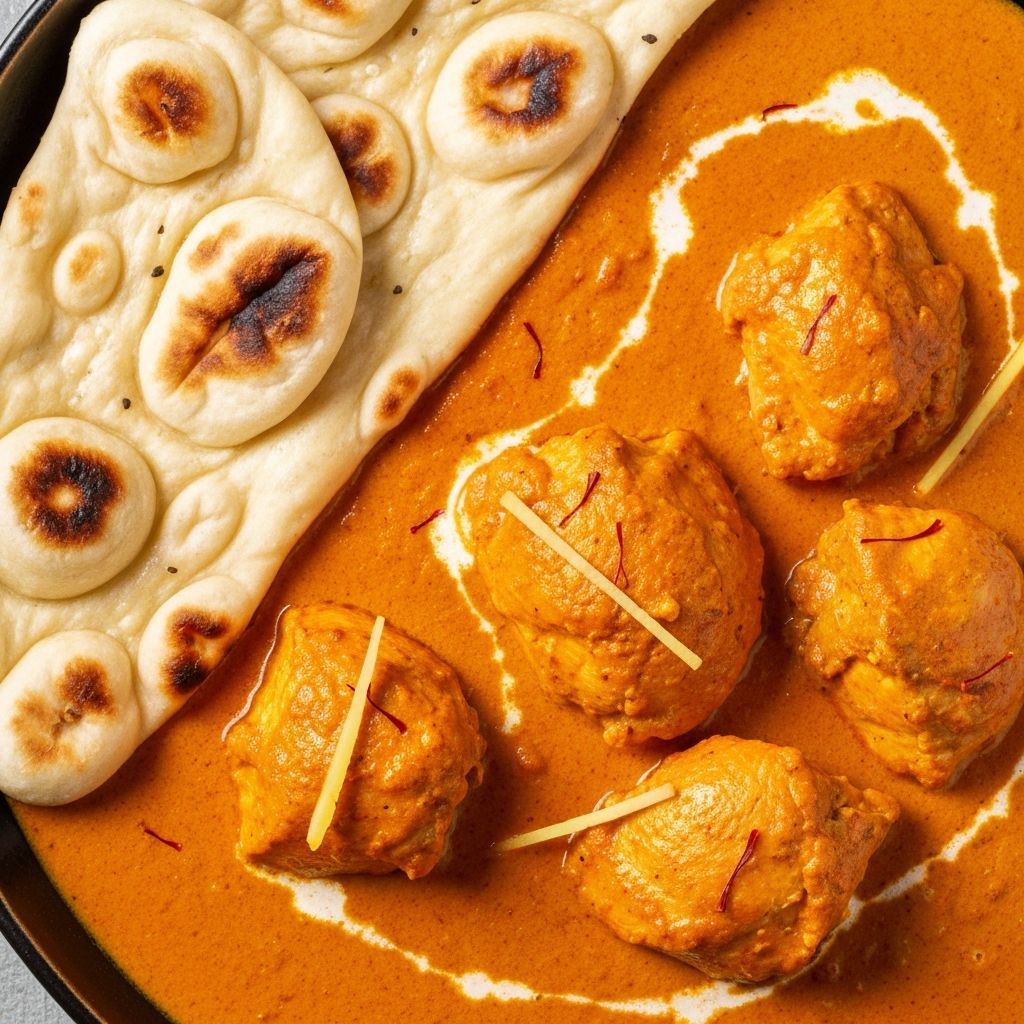
Taste, adjust salt and spice, and serve crowned with fresh cilantro. Accompany with basmati rice or freshly made naan, and watch it disappear from the plate.
recipe.modeChef
Elevate your Tikka Masala to the next level
To transform this classic recipe into something worthy of a starred restaurant, there are some tricks that make the difference between good and extraordinary.
- Roast the chicken in the oven at 220°C during the last 5 minutes of marinating to get that slightly smoky char characteristic of the tandoor.
- Add a pinch of ground cardamom and dried fenugreek leaves (kasuri methi) in the last minute of cooking. The aroma will be intoxicating.
- Finish with a tablespoon of cold butter just before serving and a drizzle of cream on top for that silky restaurant finish.
- Serve with basmati rice flavored with saffron, cloves and cinnamon sticks.
recipe.tips
- •If you like it spicier, add fresh chili in julienne during cooking or a touch of cayenne at the end.
- •The sauce improves with time: prepare it the day before and gently reheat for an even more intense flavor explosion.
- •For a lighter version, substitute half the cream with coconut milk. The result is equally delicious.
- •If you don't have garam masala, mix equal parts cinnamon, cloves, cardamom, black pepper and nutmeg.
recipe.specialTrick
To achieve an incredibly smooth and velvety texture, blend the sauce with an immersion blender just before adding the chicken. Then, return everything to the pan and let the flavors meld. The result will be a sauce so silky you'll think you're in a Bombay restaurant.
recipe.faq
Paneer (Indian cheese), chickpeas, or mixed vegetables like cauliflower and potatoes work wonderfully. Just adjust the cooking time accordingly.
Store in an airtight container in the refrigerator for up to 4 days. It actually tastes better the next day as the flavors develop. You can also freeze it for up to 3 months.
The distinctive orange color comes from a combination of turmeric, paprika, and the tomatoes in the sauce. Some restaurants add food coloring, but it's not necessary for great flavor.
Yes! Use coconut yogurt for the marinade and coconut cream instead of heavy cream. The result is equally creamy and delicious.