Carnitas
Michoacán's gift to the world
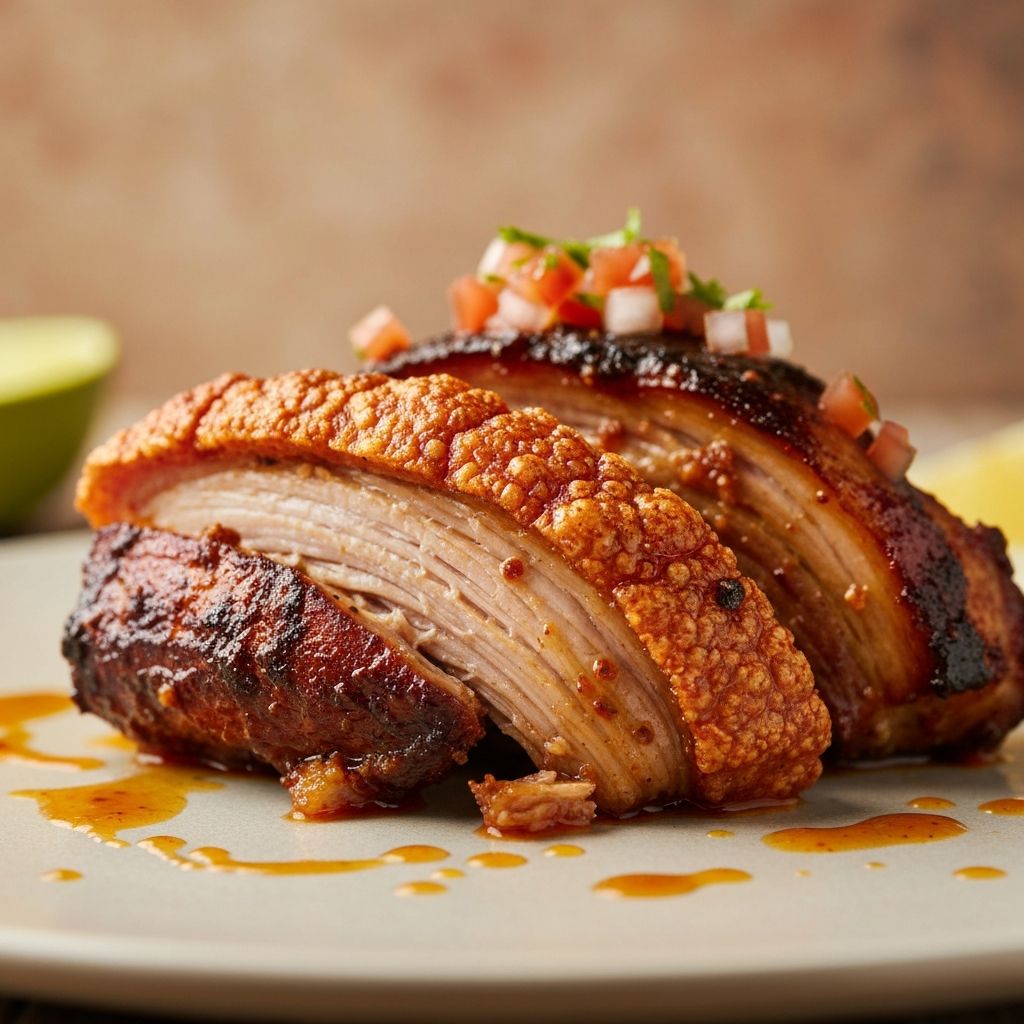
Carnitas means 'little meats,' but there's nothing little about the flavor. This is pork confited in its own fat until it practically falls apart, then crisped until the edges shatter. It's what taqueros have perfected over generations in Michoacán, and it's what you're about to master in your own kitchen.
recipe.ingredients
- 4 lbs pork shoulder (butt)Cut into 3-inch chunks
- 1 cup lard or vegetable oilLard is traditional and better
- 1 orange, juiced
- 1 cup whole milkYes, milk. Trust the process.
- 1 cinnamon stick
- 4 bay leaves
- 1 head of garlic, halved
- 1 white onion, quartered
- 2 tsp dried oregano
- 1 tsp cumin
- Salt to taste
- Corn tortillas, salsa, cilantro, onion for serving
recipe.nutrition
Per serving
420
recipe.calories
35g
recipe.protein
8g
recipe.carbs
28g
recipe.fat
recipe.history
Carnitas originated in the state of Michoacán, Mexico, where the tradition of cooking pork in large copper pots (cazos) has been passed down for generations. The technique of slow-cooking in lard creates an unmatched texture: crispy edges with incredibly tender meat inside.
recipe.preparation
- 1
Season pork generously with salt. Don't be shy—the meat is thick.
- 2
Place pork in a heavy Dutch oven or large pot. Add lard, orange juice, milk, cinnamon, bay leaves, garlic, onion, oregano, and cumin.
- 3
Add enough water to barely cover the meat. Bring to a boil over high heat.
- 4
Reduce heat to medium-low. Simmer uncovered for 2-2.5 hours, turning occasionally, until liquid evaporates.
- 5
Once liquid is gone, the meat will begin frying in the rendered fat. This is where magic happens.
- 6
Let the pork fry, turning pieces occasionally, until deeply golden and crispy on edges, about 30-40 minutes.
- 7
Remove from heat. Shred the meat, making sure each portion has crispy bits.
- 8
Serve immediately in warm corn tortillas with your favorite salsa, cilantro, and white onion.
recipe.modeChef
The Crispy Edge Philosophy
In Michoacán, they say the best carnitas come from the pieces that touched the bottom of the cazo (copper pot). Those crispy, almost caramelized bits are called 'la orilla' and they're fought over.
- Don't trim the fat—it renders and creates the frying medium
- The milk proteins help with browning and add subtle sweetness
- Use a wide, shallow pan for better evaporation and crisping
- Cook in batches if needed; crowding prevents proper crisping
recipe.tips
- •Add a can of Mexican Coca-Cola for extra caramelization (a modern trick, but it works)
- •The orange provides acid that tenderizes and brightens the pork
- •Save the rendered fat for frying beans—it's liquid gold
recipe.specialTrick
The real secret from Michoacán taqueros: when the liquid evaporates and the meat starts frying, resist the urge to stir constantly. Let each piece develop a deep crust before turning. And at the very end, splash in a couple tablespoons of the reserved cooking liquid to create steam that helps shred the meat while keeping it moist. Crispy outside, juicy inside.
recipe.faq
Yes, but you'll need to crisp them at the end. Cook on low 8-10 hours, then broil or pan-fry pieces until crispy.
The milk proteins help with browning (Maillard reaction) and add a subtle sweetness. It's a traditional technique from Michoacán.
Pork shoulder (Boston butt) is ideal—it has the right fat-to-meat ratio. Some add a bit of pork belly for extra richness.
Store in an airtight container with some of the cooking fat. Refrigerate up to 5 days. Reheat in a skillet to re-crisp.